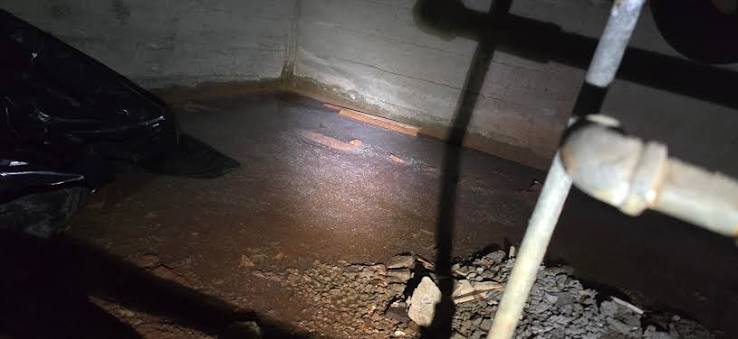
Standing water in a crawl space is more than just a little moisture under your home. When water sits in a crawl space, it can create an environment that leads to moisture problems, wood damage, mold growth, unpleasant odors, and other issues that can affect your home.
Living in the Pacific Northwest, wet weather and heavy rainfall can make crawl space moisture a common concern for homeowners. If water is collecting under your home, it is important to understand why it is happening and what can be done about it.
Where Does Standing Water in a Crawl Space Come From?
There are several reasons water may collect in a crawl space. Common causes include:
- Heavy rain and groundwater
- Poor drainage around the home
- Plumbing leaks
- Foundation or wall leaks
- Poorly directed downspouts
- High groundwater levels
- Water entering through crawl space walls or floors
Sometimes, the source of the water is obvious. Other times, the crawl space may simply feel damp or have areas of moisture that are difficult to identify without a professional inspection.
Standing Water Can Increase Crawl Space Moisture
One of the biggest concerns with standing water is the moisture it adds to the crawl space environment.
Water that remains on the crawl space floor can increase humidity underneath your home. Over time, that moisture can contribute to condensation and allow damp conditions to persist even after the rain has stopped.
A damp crawl space can also affect the wood framing and insulation underneath your home.
It Can Contribute to Mold and Musty Odors
Moisture and poor ventilation can create conditions where mold can develop.
If your crawl space stays damp, you may notice a musty smell coming from underneath the home or even inside your living space. Mold and other moisture-related problems can develop on wood, insulation, and other materials when they remain exposed to excessive moisture.
Addressing the source of the water is an important part of preventing the problem from continuing.
Standing Water Can Damage Wood
The structural wood in your crawl space can be exposed to moisture when water repeatedly collects underneath your home.
Wood that remains damp for extended periods can become more vulnerable to deterioration and wood-destroying organisms. Over time, moisture-related damage can become a much larger and more expensive problem.
That is why it is important to address crawl space water before it has an opportunity to cause long-term damage.
Wet Crawl Spaces Can Affect Your Insulation
Water and excessive moisture can also make an issue for your crawl space insulation.
Depending on the type and location of the insulation, moisture can cause it to become damaged, compressed, or less effective. If insulation becomes wet or deteriorates, your floors may feel colder and your home may become less comfortable.
A crawl space that is properly insulated and protected from moisture can help create a more comfortable environment inside the home.
Water Under Your Home Does Not Always Go Away on Its Own
It can be tempting to assume that standing water will eventually dry out, especially after a rainy season. However, if the source of the water is still present, the problem can continue to come back.
For example, if groundwater is entering through the crawl space floor or walls, simply removing the water may not solve the underlying issue.
The first step is determining where the water is coming from.
How Can You Address Standing Water in a Crawl Space?
The right solution depends on the cause and severity of the moisture problem. Depending on the crawl space, solutions may include:
- Improving drainage around the home
- Redirecting downspouts away from the foundation
- Installing a crawl space drainage system
- Using a sump pump to remove collected water
- Repairing plumbing or foundation leaks
- Installing a crawl space vapor barrier
- Encapsulating the crawl space
- Replacing damaged or deteriorated insulation
A professional crawl space inspection can help identify where moisture is coming from and what steps may be appropriate for your home.
Protect Your Crawl Space Before a Small Problem Becomes a Bigger One
Standing water underneath your home should not be ignored. Even if the water seems minor, repeated moisture can contribute to problems with humidity, mold, insulation, odors, and wood.
If you notice standing water, damp insulation, musty odors, or excessive moisture in your crawl space, having the area inspected can help you understand what is causing the problem.
At Josh Lowe’s Dr. Energy Saver, we help Oregon homeowners address crawl space moisture, insulation, waterproofing, and other problems that can affect the comfort and condition of their homes.