Professional Fiberglass Insulation in Eugene, OR
Fiberglass Insulation: Affordable & Effective Home Comfort
Fiberglass insulation is made from fine strands of glass that trap air, providing a highly effective barrier against heat flow. It’s available in different forms, including batts/rolls and loose-fill (blown-in), making it suitable for a variety of applications. Fiberglass is a popular choice for homeowners because it is cost-effective, energy-efficient, and relatively easy to install. However, ensuring proper installation is key to its effectiveness.
Types of Fiberglass Insulation
Batt & Roll Fiberglass
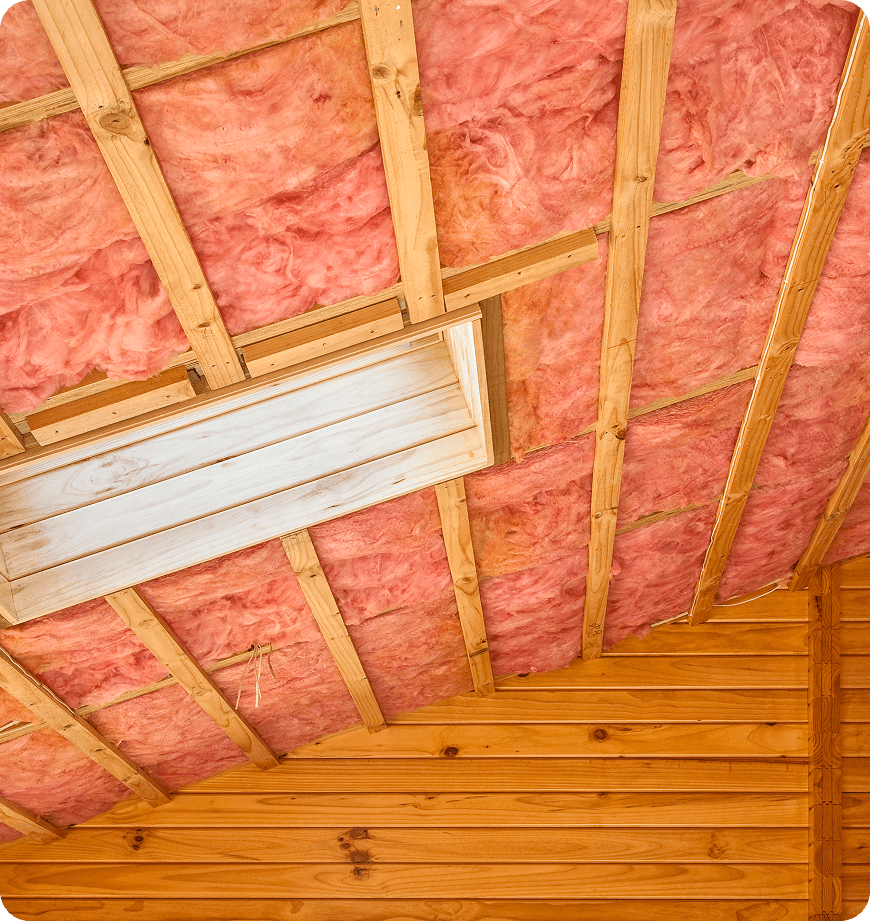
Batts are pre-cut sections of fiberglass insulation that fit between studs, joists, or beams. Rolls are similar but come in longer sheets. These types are best suited for open wall cavities, attics, and floors.
Blown-In Fiberglass
Blown-in insulation is loose-fill fiberglass that is blown into spaces using a machine. This form is ideal for attics, hard-to-reach areas, and retrofit applications. It fills gaps and irregular spaces more effectively than batts.
Common Applications of Fiberglass Insulation
Fiberglass insulation is commonly applied in:
R-Value: Understanding Performance
The Importance of R-Value
R-value measures the insulation’s ability to resist heat flow. The higher the R-value, the better the insulation’s performance. Fiberglass insulation typically has an R-value between 2.9 and 4.3 per inch, depending on the type and density.
For optimal performance, choose an R-value suitable for your region and home type. A professional installation ensures your fiberglass insulation delivers maximum benefit.
Benefits of Fiberglass Insulation
Why Choose Fiberglass?
Potential Issues With Fiberglass Insulation
What to Consider
Take the Next Step
Fiberglass insulation is a smart, cost-effective way to improve your home’s energy efficiency. Our experts can help you choose the right type and R-value for your needs, ensuring a professional and effective installation.
Why Professional Fiberglass Insulation Installation Makes a Difference
You've likely seen the pink rolls at your local hardware store and thought, "How hard could it be?" But here's what most Eugene, OR homeowners discover too late: fiberglass insulation is only as effective as the expertise behind its installation. A single gap, compressed batt, or unsealed air leak can significantly reduce your insulation's performance, turning your investment into wasted money and continued discomfort.

What Makes Professional Fiberglass Installation Superior
Comprehensive Energy Auditing Comes First
Before a single roll of fiberglass insulation touches your attic or crawl space, certified professionals conduct a thorough home energy evaluation. At Josh Lowe's Dr. Energy Saver, our trained energy auditors use equipment like blower door testing to identify exactly where your home is losing energy. This scientific approach ensures we're addressing root causes, not just symptoms.
Precision Installation
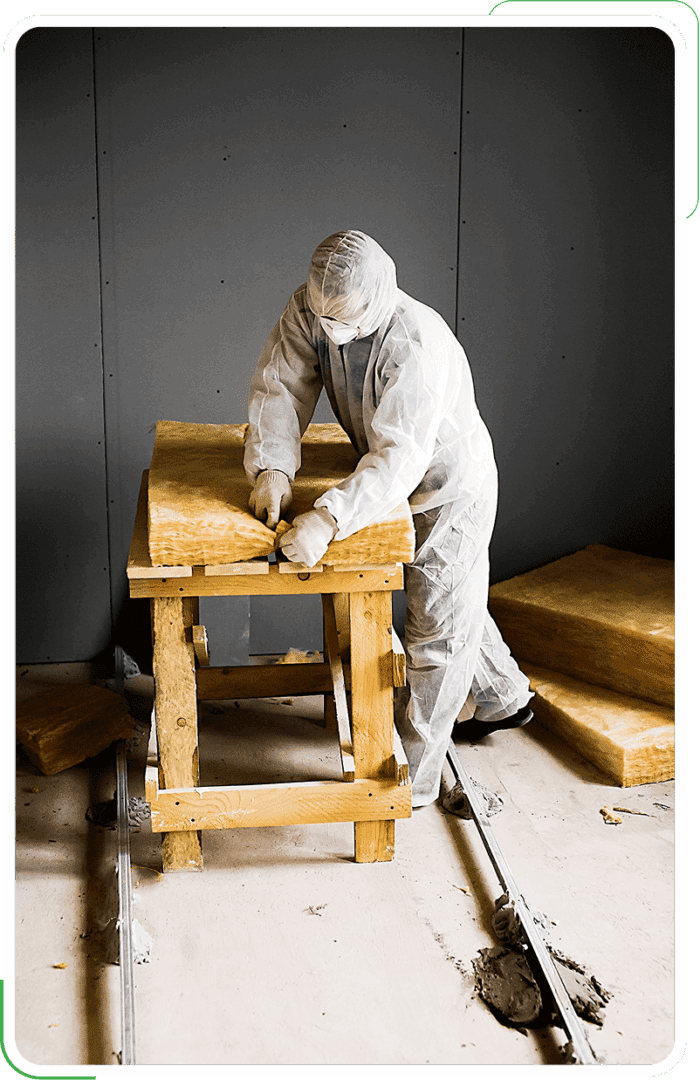
Professional installers understand the critical details that DIY projects miss. We ensure fiberglass batts fit snugly without compression, which would reduce their R-value and trap-air effectiveness. Every cavity receives proper coverage, and we never leave gaps around electrical boxes, pipes, or irregular spaces. Our fiberglass application reaches those challenging areas that rolls cannot access, providing consistent coverage throughout your attic or wall cavities.
Air Sealing
Here's the truth about fiberglass insulation installation: it slows heat transfer but doesn't stop air movement. Without proper air sealing, you're essentially wrapping a blanket around a window that's wide open. Our experts seal air leaks before installation, creating a complete thermal envelope that maximizes your energy savings and prevents moisture infiltration, a crucial consideration in Oregon's wet climate.
Moisture Management
Western Oregon's damp winters create unique challenges that require specialized knowledge. Improperly installed fiberglass can trap moisture, leading to compressed insulation, reduced effectiveness, and conditions that may require mold treatment down the line. Professional installation includes proper vapor barriers and ventilation strategies that protect your home from moisture damage while maintaining optimal performance.
Safety and Building Code Compliance
Fiberglass requires careful handling and specific installation techniques to meet building codes and safety standards. Our certified team knows exactly how to install fire-rated materials around recessed lighting, maintain required clearances, and ensure your installation passes inspection, protecting both your home's value and your family's safety.
Experience the Dr. Energy Saver Difference
When you choose professional fiberglass insulation installation, you're not just buying materials; you're investing in proven methods, specialized training, and local climate expertise. You also get access to our other services, like crawl space encapsulation. With our 100% Satisfaction Guarantee, we stand behind every project, ensuring your home achieves the comfort, efficiency, and protection your family deserves.
Ready to stop throwing money out through your attic? Contact us today for a free insulation estimate.
Frequently Asked Questions
Yes. When professionally installed and properly sealed, fiberglass insulation is safe, non-combustible, and contributes to better indoor air quality.
Absolutely. When combined with air sealing and correct placement, fiberglass significantly reduces heat loss and helps stabilize indoor temperatures.
It’s commonly used in attics, walls, and floors. We determine the best application based on your home’s structure and moisture conditions.
Contact us online or give us a call at (541)485-2282 to find out more about our products and services!