Enhance your new construction or remodeling project with professional batt insulation and batt insulation installation services from Josh Lowe's Dr. Energy Saver. Serving Eugene, OR, and Western Oregon, we provide expert installation of pre-cut fiberglass and mineral wool batt insulation designed to fit snugly between standard wall studs, ceiling joists, and floor joists. Our experienced team ensures proper batt insulation installation that creates an effective thermal barrier for your home, delivering comfort and energy savings when installed correctly in accessible wall cavities and open spaces.
When Batt Insulation Makes Sense
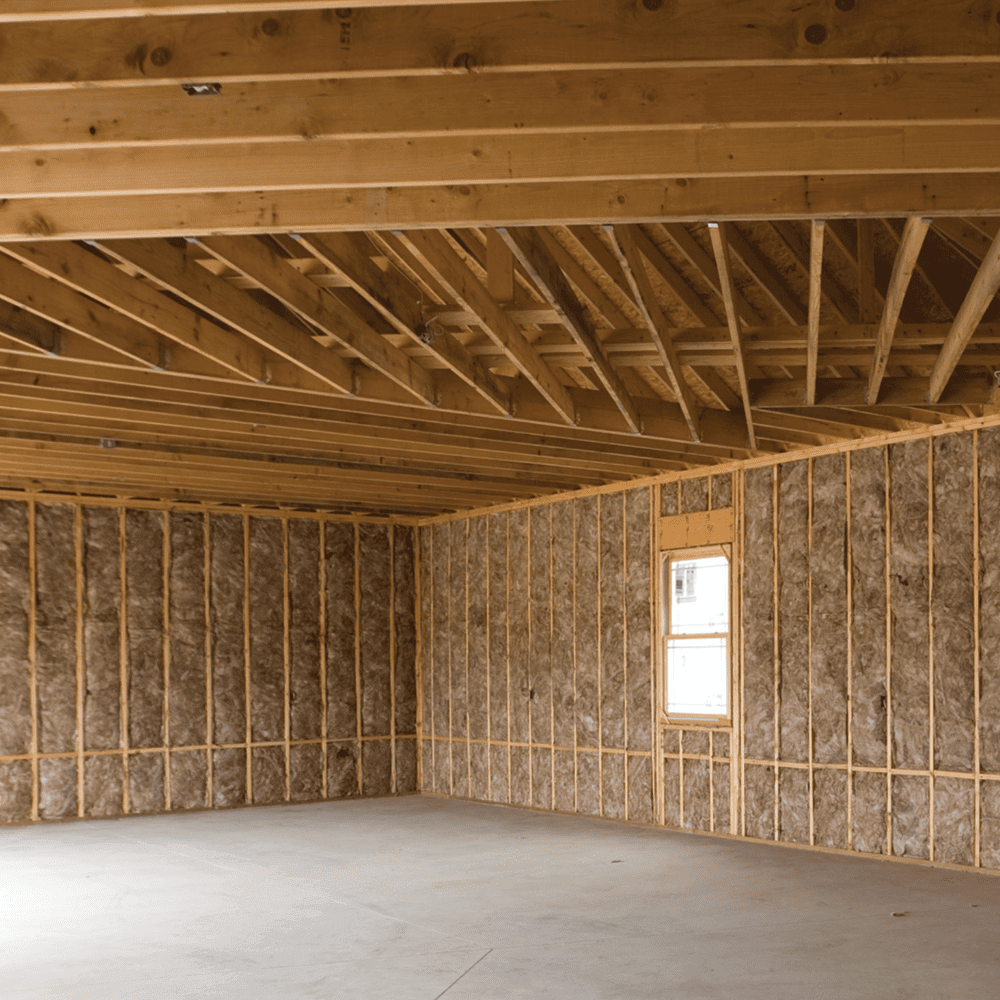
Batt insulation works best in new construction and major remodeling projects where wall cavities are open and easily accessible. This pre-cut panel insulation offers a cost-effective solution for builders and homeowners working on projects with exposed framing. Common applications include open wall cavities in new homes, attics and floors with exposed joists, and basements or crawl spaces where stud bays are accessible. When properly installed without compression or gaps, batt insulation provides reliable thermal performance at an affordable price point.
Understanding Installation Requirements
Professional batt insulation installation requires careful attention to detail to achieve optimal energy efficiency. Unlike spray foam insulation that expands to seal air gaps and create an airtight barrier, batt insulation relies on precise fitting and proper placement. Our skilled installers ensure batts fit snugly without compression, cover every stud bay completely, and minimize gaps around obstacles. Mineral wool options provide additional fire protection and soundproofing benefits for enhanced safety and comfort.
Choosing the Right Insulation Solution
While batt insulation excels in new construction, existing homes with finished walls may benefit more from blown-in insulation or spray foam solutions that provide superior coverage and air sealing without requiring demolition. Our experts evaluate your specific project and recommend the most effective insulation solution for your needs.
Contact Josh Lowe's Dr. Energy Saver today for a free estimate on batt insulation installation in Eugene and Western Oregon.
Reach out to us today to learn more about the services that we offer.

Performance+® EcoBatt® Insulation

THIRD-PARTY TESTED
Our products undergo strict testing to ensure they are free of harmful chemicals.

ECOSE® TECHNOLOGY
Patented bio-based binder derived from plants is a smarter alternative compared to petro-based binders.

FORMALDEHYDE-FREE
Free of Red List chemicals to ensure this product contributes to a safe and healthy indoor environment.

CLASS A FIRE RATING
Flame spread index of 25 or less and a smoke developed index of 50 or less.*
*This rating applies to unfaced batts, rolls and blowing wool
INTERIOR COMFORT
Proven energy efficiency and sound absorption for enhanced comfort and privacy

INSTALLER EASE
Low on dust and easy to handle for a seamless install.
Understanding Batt Insulation
What Is Batt Insulation?
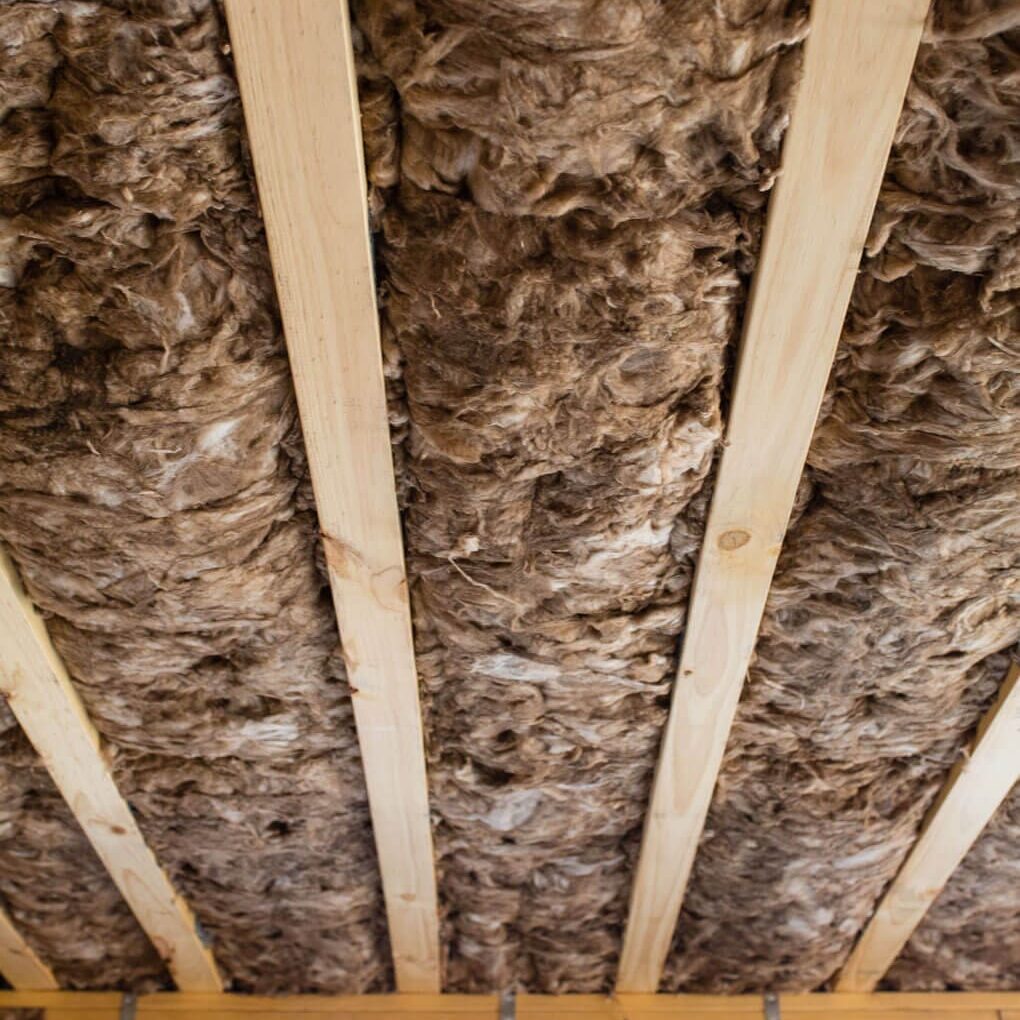
Batt insulation is a pre-cut panel insulation commonly made from fiberglass or mineral wool. It’s designed to fit snugly between standard wall studs, ceiling joists, and floor joists, providing a thermal barrier that helps keep your home comfortable year-round. This type of insulation is widely used in new construction and major remodels, where wall cavities are open and easily accessible.
Ideal Uses for Batt Insulation
Batt insulation works best in areas where it can be properly installed without compression or gaps. Common applications include:
Pros and Cons of Batt Insulation
Advantages
Limitations
Why Batt May Not Be Best for Existing Homes
If your walls are already finished, batt insulation may not be the most effective choice. For retrofits, solutions like blown-in insulation or spray foam can provide better coverage, air sealing, and energy efficiency without major demolition.
Fire Testing Insulation Materials
"On the Job" Web Series by Dr. Energy Saver
Fire rating of insulation materials is something often overlooked not only in energy-efficient upgrades, but also in new construction. There are some code-mandated guidelines for using different types of insulation in different areas of the house, but at Dr. Energy Saver, we believe that the fire safety of homes and buildings can be greatly improved with the right choice of materials.
In this 50th episode of the "On The Job" web series, Larry Janesky does something a little different. Rather than walking us through a recent project, he takes us to Dr. Energy Saver's National Energy Conservation Center - a 40,000 sq. ft. training facility at the company's headquarters in Seymour CT - to demonstrate how different types of insulation materials will behave in case of a house fire.
Find the Right Batt Insulation
Want to know if batt insulation is right for your home or project? Our experts will evaluate your space and recommend the best insulation solution for comfort, efficiency, and long-term performance.
Frequently Asked Questions About Batt Insulation
Batt insulation is ideal for new construction and major remodeling projects where wall cavities, ceiling joists, and floor joists are open and easily accessible. This pre-cut panel insulation fits snugly between standard stud spacing, making it a cost-effective and time-saving option during building phases. However, batt insulation is not recommended for retrofitting existing homes with finished walls, as installation would require extensive demolition. For closed walls, blown-in insulation or spray foam provides better coverage and energy efficiency.
Proper batt insulation installation is critical to achieving optimal thermal performance. Compressed or improperly cut batts can significantly reduce energy efficiency by creating gaps and reducing the material's insulating properties. Professional installation ensures batts fit snugly without compression, cover every stud bay completely, and are cut precisely around obstacles. Unlike spray foam insulation that expands to seal air gaps, batt insulation requires careful placement to prevent air leakage that can undermine overall efficiency.
Mineral wool batt insulation offers several benefits beyond standard fiberglass batts, including superior fire resistance for enhanced home safety, excellent soundproofing properties that reduce noise transmission between rooms, and moisture resistance. These additional features make mineral wool an attractive option for homeowners prioritizing fire protection and acoustic performance in their new construction or remodeling projects.
Contact us online or give us a call at (541)485-2282 to find out more about our products and services!