When homeowners think about high energy bills, they usually assume they need more insulation.
Sometimes that’s true.
But sometimes the real problem starts with the roof.
Recently, our team inspected a home in North Bend after the homeowners complained that their house was difficult to heat. Their utility bills continued to rise, and they noticed a persistent musty smell that left them worried about mold.
The Symptoms
The homeowners were experiencing several common warning signs:
- High heating costs
- Rooms that never felt comfortable
- Musty odors throughout the home
- Concerns about moisture and mold
- An aging roof that was nearing replacement
Many homeowners would assume the insulation had simply worn out.
Instead, we looked at the whole building.
What We Found
Inside the attic, we discovered a ventilation problem.
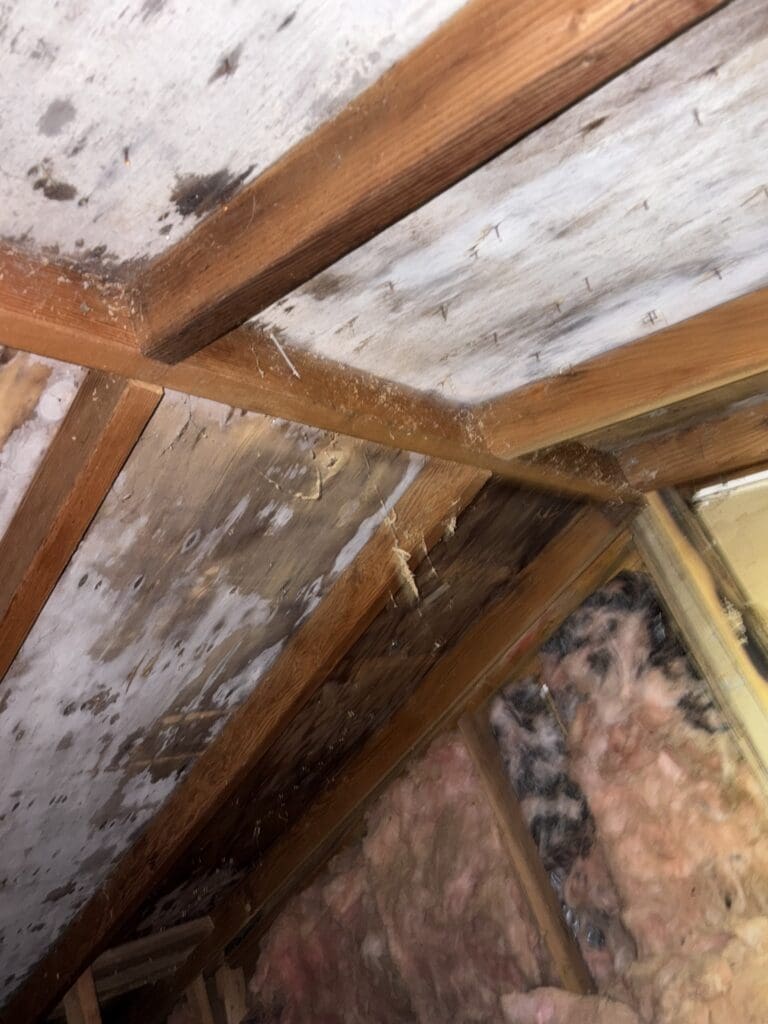
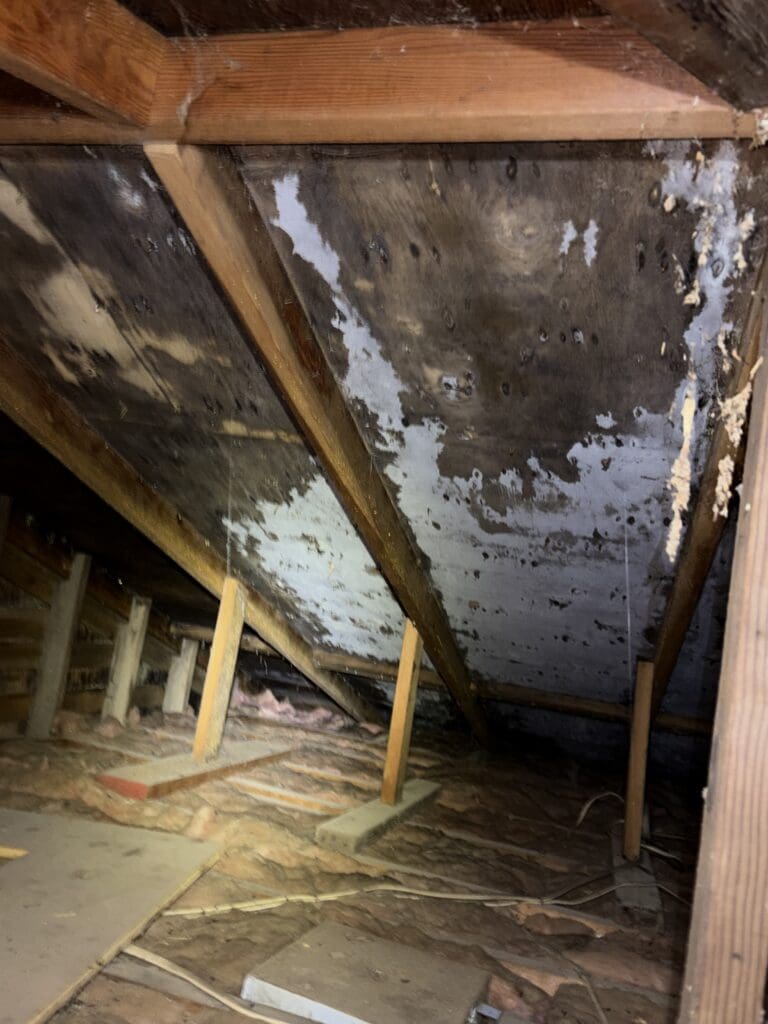
The attic had only one exhaust vent near the ridge and no intake ventilation at the eaves. Without fresh air entering the attic, moisture became trapped instead of escaping outside.
Over time, this created:
- Excess humidity
- Microbial growth
- Moisture damage
- Signs of roof leaks
- Reduced energy efficiency
Even the best insulation can’t perform properly when it’s surrounded by excessive moisture! Take a look at this nasty attic:
Why Ventilation Matters
Your attic works as a complete system.
Insulation slows heat transfer, but ventilation removes excess heat and moisture.
Without balanced airflow:
- Insulation can lose effectiveness.
- Moisture can accumulate inside the attic.
- Mold and mildew become more likely.
- Roof decking can deteriorate.
- Your HVAC system has to work harder.
That’s why Dr. Energy Saver always evaluates the entire attic, not just the insulation.
The Solution
After reviewing our findings, the homeowners decided the roof had become the highest priority.
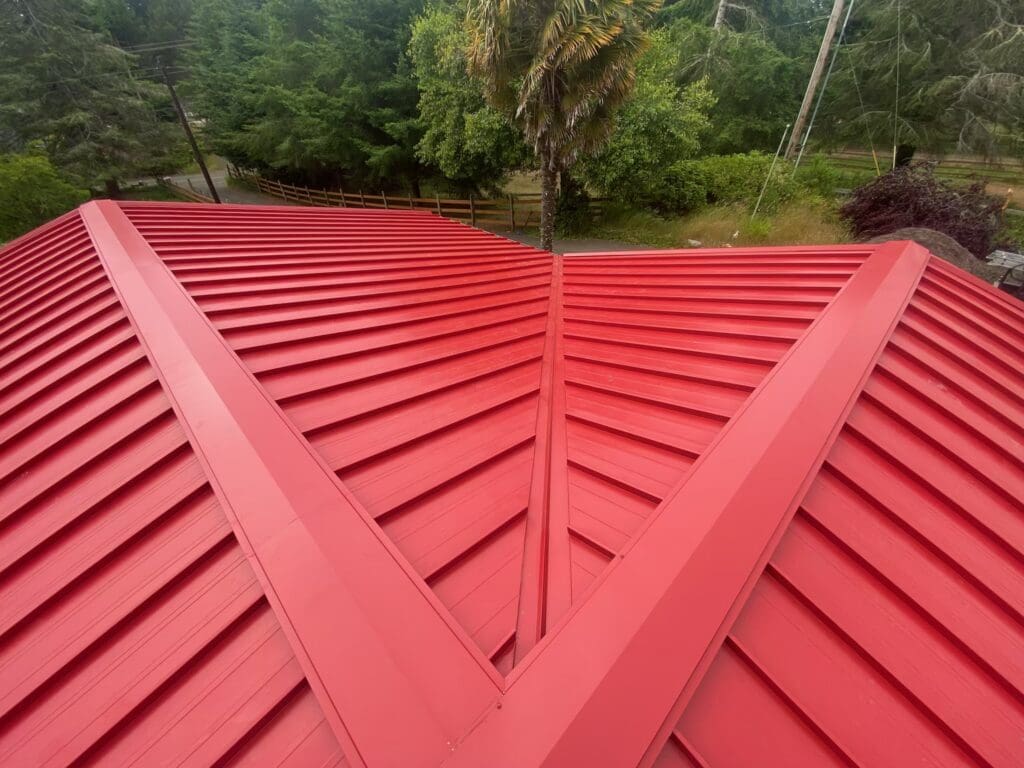
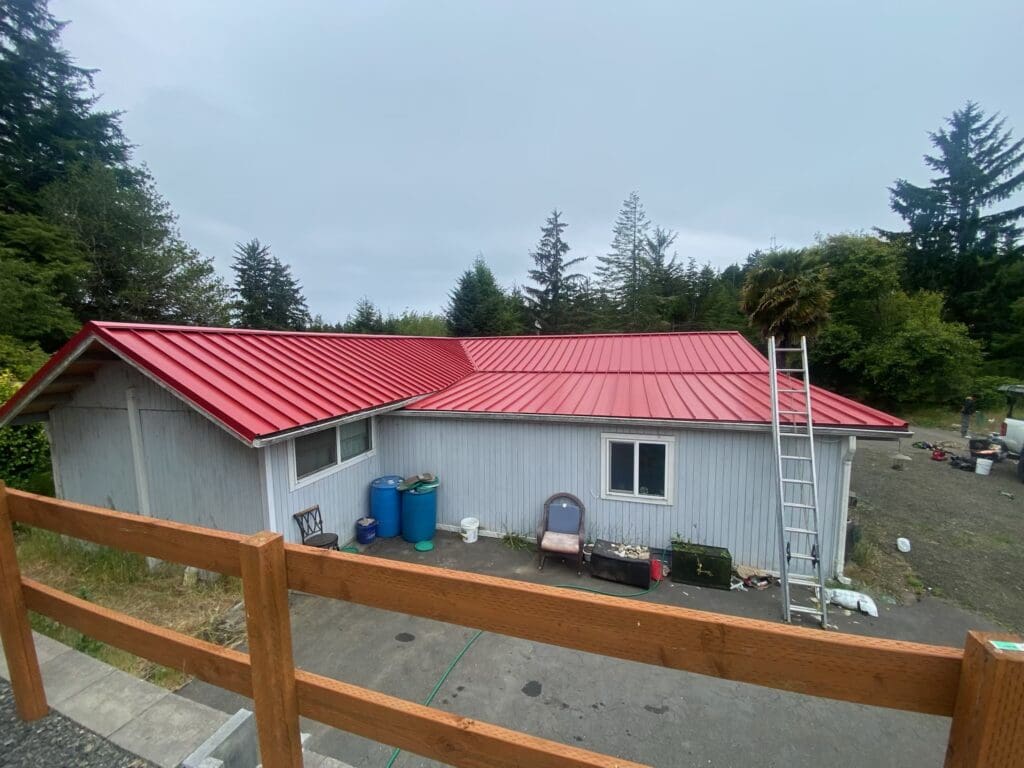
Our sister company, Klaus Roofing Systems of Oregon, replaced the failing roof decking, corrected the attic ventilation, and installed a new standing seam metal roof designed to protect the home for decades.
By solving the ventilation issue during the roof replacement, the home now has a healthier attic environment and a roofing system built to better manage moisture.
The Takeaway
If your home feels cold in the winter, your heating bills seem unusually high, or you’ve noticed musty smells coming from the attic, don’t assume insulation is the only culprit.
A comprehensive attic inspection can uncover hidden ventilation problems, moisture damage, and roofing issues that may be affecting your home’s comfort and efficiency.
At Dr. Energy Saver, we believe every home should be treated as a complete system. Sometimes improving energy efficiency starts with insulation. Sometimes it starts with ventilation. And sometimes, as this North Bend project shows, it starts with the roof.